In today’s fast-paced world, managing time effectively is crucial for success and well-being. With endless tasks, constant distractions, and the pressure to achieve more in less time, it’s easy to feel overwhelmed. Enter the Eisenhower Method, a time management tool that has stood the test of time and remains as relevant today as ever. Named after Dwight D. Eisenhower, the 34th President of the United States, this method helps individuals prioritize tasks based on urgency and importance, ensuring that they focus on what truly matters. In this article, we will delve into the Eisenhower Method, exploring its origins, principles, and practical applications, and provide insights on how to master this powerful tool for enhanced productivity.
The Eisenhower Method
The Eisenhower Method, also known as the Eisenhower Matrix or Eisenhower Box, is a simple yet effective tool for prioritizing tasks. It divides tasks into four categories based on their urgency and importance, helping individuals focus on what truly matters. This method is particularly useful in today’s fast-paced world, where distractions are aplenty, and the pressure to achieve more in less time is ever-present.
At the core of the Eisenhower Method is the principle of distinguishing between what is urgent and what is important. Urgent tasks require immediate attention, while important tasks contribute to long-term goals and values. By categorizing tasks into these two dimensions, the Eisenhower Method allows individuals to make informed decisions about how to allocate their time and energy.
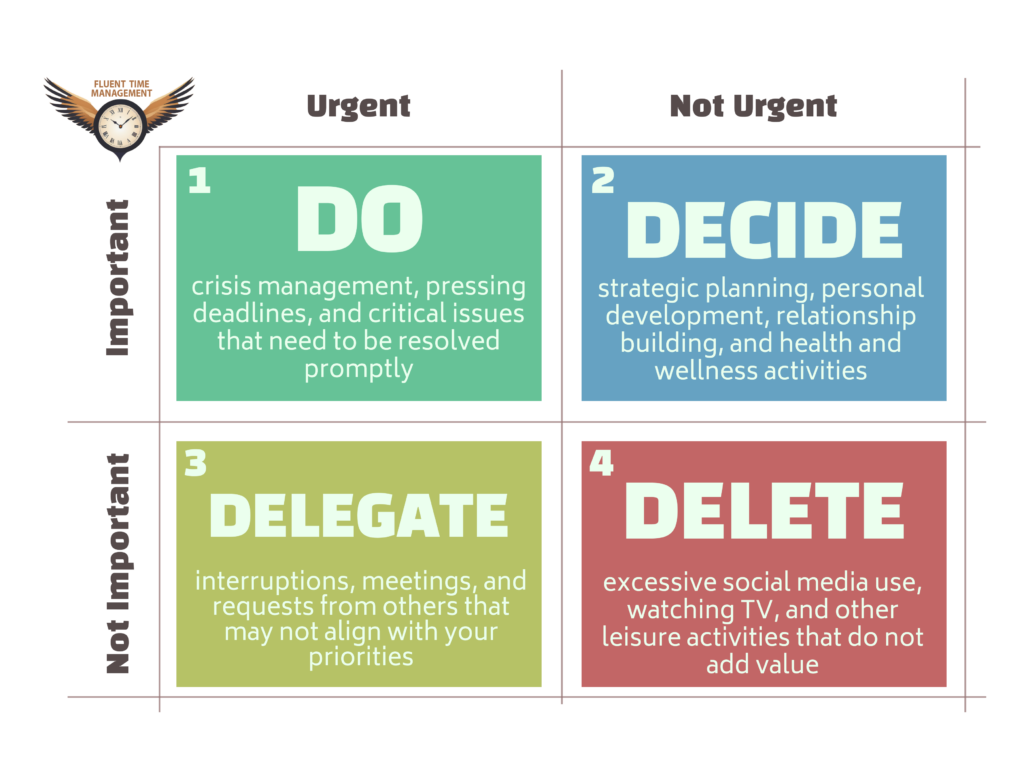
The Eisenhower Matrix consists of four quadrants:
- Urgent and Important (Quadrant 1): Tasks that demand immediate attention and are crucial for achieving goals.
- Non-Urgent but Important (Quadrant 2): Tasks that are important for long-term success but do not require immediate action.
- Urgent but Not Important (Quadrant 3): Tasks that need immediate attention but are not crucial for achieving goals.
- Non-Urgent and Not Important (Quadrant 4): Tasks that are neither urgent nor important and often serve as distractions.
By categorizing tasks into these quadrants, individuals can prioritize their activities, focus on what truly matters, and avoid getting bogged down by less important tasks. The Eisenhower Method is not just a tool for time management; it’s a mindset that encourages individuals to be proactive, strategic, and intentional about how they spend their time.
Historical Background and Origin
The Eisenhower Method is named after Dwight D. Eisenhower, who served as the 34th President of the United States from 1953 to 1961. Before his presidency, Eisenhower was a five-star general in the United States Army and played a crucial role in World War II as the Supreme Commander of the Allied Expeditionary Forces in Europe. His ability to make critical decisions under pressure and manage complex operations was legendary, and he attributed much of his success to his time management skills.
Eisenhower was known for his ability to prioritize tasks and focus on what was truly important. He once said, “What is important is seldom urgent, and what is urgent is seldom important.” This philosophy became the foundation of the Eisenhower Method, which he used throughout his military and political career.
What is important is seldom urgent, and what is urgent is seldom important.
The Eisenhower Method was popularized in the 1980s by Stephen Covey in his best-selling book, “The 7 Habits of Highly Effective People.” Covey introduced the concept of the Eisenhower Matrix as a tool for personal and professional productivity, and it quickly gained widespread recognition. Today, the Eisenhower Method is used by individuals and organizations worldwide to manage their time more effectively and achieve their goals.
The Four Quadrants of the Eisenhower Matrix
The Eisenhower Matrix is divided into four quadrants, each representing a different category of tasks based on their urgency and importance. Understanding these quadrants is essential for effectively implementing the Eisenhower Method.
Quadrant 1: Urgent and Important Tasks
Tasks in this quadrant are both urgent and important. They require immediate attention and are crucial for achieving goals. Examples of tasks in this quadrant include crisis management, pressing deadlines, and critical issues that need to be resolved promptly.
Focusing on Quadrant 1 tasks is essential for staying on top of urgent matters and preventing crises. However, constantly operating in this quadrant can lead to stress and burnout. Therefore, it’s important to manage Quadrant 1 tasks efficiently and strive to minimize their occurrence by planning and prioritizing tasks in advance.
Quadrant 2: Non-Urgent but Important Tasks
Quadrant 2 tasks are important for long-term success but do not require immediate action. Examples include strategic planning, personal development, relationship building, and health and wellness activities.
Spending time in Quadrant 2 is crucial for achieving long-term goals and maintaining a balanced life. These tasks contribute to personal and professional growth and help prevent crises by addressing potential issues before they become urgent. Prioritizing Quadrant 2 tasks requires discipline and proactive planning, but it pays off in the long run by reducing stress and increasing overall productivity.
Quadrant 3: Urgent but Not Important Tasks
Tasks in Quadrant 3 are urgent but not important. They require immediate attention but do not contribute significantly to long-term goals. Examples include interruptions, meetings, and requests from others that may not align with your priorities.
Quadrant 3 tasks can be major distractions and time-wasters. To manage them effectively, it’s important to delegate, defer, or decline these tasks whenever possible. By minimizing time spent on Quadrant 3 tasks, individuals can focus on more important activities that contribute to their goals.
Quadrant 4: Non-Urgent and Not Important Tasks
Quadrant 4 tasks are neither urgent nor important. They are often distractions that do not contribute to personal or professional goals. Examples include excessive social media use, watching TV, and other leisure activities that do not add value.
While it’s important to have downtime and relaxation, spending too much time in Quadrant 4 can lead to procrastination and decreased productivity. To maximize efficiency, it’s essential to limit time spent on Quadrant 4 tasks and focus on activities that align with your goals and values.
How to Implement the Eisenhower Method
Implementing the Eisenhower Method involves a few simple steps that can help you prioritize tasks and manage your time more effectively. Here’s a step-by-step guide to get you started:
- List Your Tasks: Start by listing all the tasks you need to complete. This can include work-related tasks, personal responsibilities, and any other activities that require your attention.
- Categorize Your Tasks: Divide your tasks into the four quadrants of the Eisenhower Matrix based on their urgency and importance. Be honest with yourself about which tasks truly belong in each quadrant.
- Prioritize Your Tasks: Focus on completing Quadrant 1 tasks first, as they are both urgent and important. Next, allocate time for Quadrant 2 tasks, which are important for long-term success but not urgent. Delegate or defer Quadrant 3 tasks, and minimize time spent on Quadrant 4 tasks.
- Create a Schedule: Plan your day or week by scheduling time for each task based on its priority. Make sure to allocate sufficient time for Quadrant 2 tasks, as they are essential for long-term success.
- Review and Adjust: Regularly review your tasks and priorities to ensure you are staying on track. Adjust your schedule as needed to accommodate new tasks and changes in priorities.
- Stay Disciplined: Implementing the Eisenhower Method requires discipline and consistency. Stay committed to prioritizing tasks based on their urgency and importance, and avoid getting sidetracked by less important activities.
By following these steps, you can effectively implement the Eisenhower Method and enjoy the benefits of improved time management and productivity.
Benefits of the Eisenhower Method
The Eisenhower Method offers numerous benefits for individuals and organizations looking to improve their time management and productivity. Here are some of the key advantages:
- Enhanced Focus: By categorizing tasks based on their urgency and importance, the Eisenhower Method helps individuals focus on what truly matters. This reduces distractions and allows for more efficient use of time.
- Reduced Stress: Prioritizing tasks and managing time effectively can significantly reduce stress. By addressing urgent and important tasks promptly and planning for long-term goals, individuals can prevent crises and avoid last-minute rushes.
- Improved Productivity: The Eisenhower Method encourages individuals to spend more time on important tasks that contribute to long-term success. This leads to increased productivity and better outcomes.
- Better Decision-Making: The Eisenhower Method provides a clear framework for making decisions about how to allocate time and resources. This helps individuals make informed choices and prioritize tasks that align with their goals and values.
- Work-Life Balance: By prioritizing important tasks and minimizing time spent on less important activities, the Eisenhower Method helps individuals achieve a better work-life balance. This leads to improved well-being and overall satisfaction.
- Proactive Planning: The Eisenhower Method encourages proactive planning and strategic thinking. By focusing on Quadrant 2 tasks, individuals can address potential issues before they become urgent and plan for long-term success.
Overall, the Eisenhower Method is a powerful tool for improving time management and productivity. By prioritizing tasks based on their urgency and importance, individuals can focus on what truly matters, reduce stress, and achieve their goals more effectively.
Common Pitfalls and How to Avoid Them
While the Eisenhower Method is a highly effective tool for time management, there are common pitfalls that individuals may encounter when implementing it. Here are some of the most common mistakes and tips on how to avoid them:

Overloading Quadrant 1
One common pitfall is overloading Quadrant 1 with too many tasks. This can lead to stress and burnout, as individuals constantly operate in crisis mode. To avoid this, it’s important to proactively plan and prioritize tasks in advance, focusing on Quadrant 2 activities that prevent crises and reduce the number of urgent tasks.
Neglecting Quadrant 2
Another common mistake is neglecting Quadrant 2 tasks, which are important for long-term success but not urgent. This can lead to missed opportunities and long-term issues. To avoid this, make a conscious effort to allocate time for Quadrant 2 activities, such as strategic planning, personal development, and relationship building.
Misclassifying Tasks
Misclassifying tasks is another common pitfall. It’s important to be honest and objective when categorizing tasks based on their urgency and importance. Avoid the temptation to label tasks as urgent or important when they are not. This requires self-awareness and a clear understanding of your goals and priorities.
Failing to Delegate
Failing to delegate tasks is a common issue, especially for individuals who prefer to do everything themselves. Delegating Quadrant 3 tasks can free up time for more important activities. Identify tasks that can be delegated and trust others to handle them effectively.
Spending Too Much Time in Quadrant 4
Spending excessive time on Quadrant 4 tasks, which are neither urgent nor important, can be a major time-waster. To avoid this, set boundaries for leisure activities and focus on tasks that contribute to your goals and values.
Lack of Flexibility
While the Eisenhower Method provides a clear framework for prioritizing tasks, it’s important to remain flexible and adapt to changing circumstances. Be open to adjusting your priorities and schedule as needed to accommodate new tasks and changes in priorities.
By being aware of these common pitfalls and taking proactive steps to avoid them, individuals can effectively implement the Eisenhower Method and enjoy the benefits of improved time management and productivity.
The Eisenhower Method in Personal Life
The Eisenhower Method is not just a tool for professional productivity; it can also be applied to personal life to achieve a better work-life balance and enhance overall well-being. Here are some ways to implement the Eisenhower Method in your personal life:
Prioritizing Family and Relationships
Quadrant 2 tasks, such as spending quality time with family and building relationships, are crucial for long-term happiness and fulfillment. Make a conscious effort to allocate time for these activities and prioritize them over less important tasks.
Managing Household Responsibilities
Household responsibilities, such as cleaning, cooking, and maintenance, can be categorized using the Eisenhower Method. Focus on urgent and important tasks, delegate or defer less important activities, and minimize time spent on non-essential chores.
Personal Development
Personal development activities, such as learning new skills, pursuing hobbies, and maintaining health and wellness, fall into Quadrant 2. Prioritizing these activities can lead to long-term growth and well-being. Schedule time for personal development and treat it as a priority.
Balancing Leisure and Productivity
While leisure activities are important for relaxation and rejuvenation, it’s essential to strike a balance between leisure and productivity. Limit time spent on Quadrant 4 activities and focus on tasks that contribute to your goals and values.
Setting Personal Goals
Use the Eisenhower Method to set and achieve personal goals. Categorize your goals based on their urgency and importance, and create a plan to accomplish them. Focus on long-term goals that align with your values and prioritize them over short-term distractions.
By applying the Eisenhower Method in your personal life, you can achieve a better work-life balance, enhance your well-being, and focus on what truly matters.
The Eisenhower Method in Professional Life
The Eisenhower Method is a powerful tool for enhancing productivity and efficiency in the workplace. Here are some ways to implement the Eisenhower Method in your professional life:
Prioritizing Work Tasks
Use the Eisenhower Matrix to categorize work tasks based on their urgency and importance. Focus on completing urgent and important tasks first, allocate time for strategic planning and long-term projects, and delegate or defer less important activities.
Managing Meetings and Interruptions
Meetings and interruptions can be major time-wasters. Categorize them using the Eisenhower Method and prioritize those that are essential for achieving your goals. Minimize time spent on non-essential meetings and interruptions.
Delegating Tasks
Delegating tasks is crucial for effective time management. Identify tasks that can be delegated to others and trust your team to handle them. This frees up time for more important activities and allows you to focus on strategic priorities.
Setting Professional Goals
Use the Eisenhower Method to set and achieve professional goals. Categorize your goals based on their urgency and importance, and create a plan to accomplish them. Focus on long-term goals that align with your career aspirations and prioritize them over short-term distractions.
Improving Work-Life Balance
Achieving a better work-life balance is essential for overall well-being and productivity. Use the Eisenhower Method to prioritize tasks that contribute to your work-life balance, such as taking breaks, spending time with family, and pursuing personal interests.
By implementing the Eisenhower Method in your professional life, you can enhance your productivity, achieve your career goals, and maintain a healthy work-life balance.
Tools and Resources to Enhance the Eisenhower Method
There are various tools and resources available to help individuals implement the Eisenhower Method more effectively. Here are some recommendations:

Digital Tools
- Trello: Trello is a popular project management tool that allows you to create boards and categorize tasks using the Eisenhower Matrix. It offers a visual and intuitive interface for organizing tasks and tracking progress.
- Todoist: Todoist is a task management app that allows you to create and prioritize tasks based on their urgency and importance. It offers features such as reminders, labels, and project organization to help you stay on top of your tasks.
- Evernote: Evernote is a versatile note-taking app that allows you to capture and organize tasks, notes, and ideas. You can use it to create an Eisenhower Matrix and categorize tasks based on their priority.
Physical Tools
- Eisenhower Matrix Templates: Printable Eisenhower Matrix templates are available online and can be used to categorize tasks and prioritize activities. These templates provide a visual representation of the matrix and can be customized to suit your needs.
- Planners and Journals: Using a planner or journal to track tasks and priorities can be an effective way to implement the Eisenhower Method. Look for planners that offer sections for categorizing tasks based on their urgency and importance.
Books and Courses
- “The 7 Habits of Highly Effective People” by Stephen Covey: This best-selling book introduces the concept of the Eisenhower Matrix and provides valuable insights on personal and professional productivity.
- Online Courses: Various online courses and workshops are available that teach the principles of the Eisenhower Method and provide practical tips for implementation. Platforms such as Coursera, Udemy, and LinkedIn Learning offer courses on time management and productivity.
By leveraging these tools and resources, you can enhance your implementation of the Eisenhower Method and achieve better time management and productivity.
Real-Life Examples and Case Studies
The Eisenhower Method has proven to be a game-changer for many individuals and organizations. Its practical approach to time management and prioritization has led to significant improvements in productivity, efficiency, and overall success. In this section, we will delve into real-life examples and case studies that showcase how the Eisenhower Method has been effectively implemented in various contexts. These stories will not only illustrate the method’s versatility but also inspire readers to apply it in their own lives.
Individual Success Stories
1. Sarah, a Busy Professional
Sarah, a marketing manager at a mid-sized company, struggled with managing her workload. She often found herself overwhelmed by urgent tasks, leaving little time for strategic planning and professional development. After learning about the Eisenhower Method, she decided to give it a try.
Sarah began by listing all her tasks and categorizing them into the four quadrants of the Eisenhower Matrix. She discovered that many of her daily activities fell into Quadrant 3 (urgent but not important) and Quadrant 4 (neither urgent nor important). By delegating some of these tasks and eliminating others, she was able to focus more on Quadrant 2 (important but not urgent) tasks, such as developing long-term marketing strategies and enhancing her skills through training.
Within a few months, Sarah noticed a significant improvement in her productivity and job satisfaction. She was able to meet deadlines more efficiently, reduce stress, and contribute more effectively to her company’s growth.
2. John, a College Student
John, a college student majoring in engineering, struggled to balance his academic responsibilities with extracurricular activities and part-time work. He often found himself cramming for exams and missing deadlines for assignments. Frustrated with his lack of time management, John decided to implement the Eisenhower Method.
John started by creating a weekly schedule and categorizing his tasks. He realized that many of his urgent tasks, such as last-minute studying, were the result of poor planning. By prioritizing Quadrant 2 tasks, such as regular study sessions and project work, he was able to stay ahead of his coursework and reduce the need for last-minute cramming.
The Eisenhower Method helped John achieve a better balance between his academic and personal life. He was able to participate in extracurricular activities, maintain a part-time job, and still excel in his studies. The method not only improved his time management skills but also boosted his confidence and overall well-being.
Organizational Case Studies
1. Tech Innovators Inc.
Tech Innovators Inc., a rapidly growing technology company, faced challenges in managing its projects and meeting deadlines. The company often found itself firefighting urgent issues, leaving little time for innovation and strategic planning. The management team decided to implement the Eisenhower Method to improve their time management and productivity.
The team started by conducting workshops to train employees on the Eisenhower Method. They encouraged staff to categorize their tasks using the Eisenhower Matrix and prioritize accordingly. The company also integrated project management tools that aligned with the method, allowing for better tracking and delegation of tasks.
Within six months, Tech Innovators Inc. saw a significant improvement in project completion rates and overall efficiency. Employees reported feeling less stressed and more focused on their core responsibilities. The company was able to allocate more time for innovation and strategic initiatives, leading to the successful launch of several new products.
2. Green Earth Non-Profit Organization
Green Earth, a non-profit organization focused on environmental conservation, struggled with managing its numerous projects and volunteer activities. The organization often found itself overwhelmed by urgent tasks, leaving little time for long-term planning and community outreach.
The leadership team decided to adopt the Eisenhower Method to streamline their operations. They began by categorizing their tasks and projects using the Eisenhower Matrix. By prioritizing Quadrant 2 activities, such as strategic planning and volunteer training, they were able to create a more sustainable and effective workflow.
As a result, Green Earth saw a significant increase in volunteer engagement and project success rates. The organization was able to launch several new initiatives and expand its reach within the community. The Eisenhower Method not only improved their time management but also enhanced their ability to make a positive impact on the environment.
Diverse Applications
The Eisenhower Method’s adaptability makes it suitable for various industries and sectors. Here are some examples of how different fields have benefited from this time management approach:
1. Education
Teachers and administrators have used the Eisenhower Method to prioritize lesson planning, grading, and administrative tasks. By focusing on Quadrant 2 activities, such as professional development and curriculum design, educators can enhance their teaching effectiveness and improve student outcomes.
2. Healthcare
Healthcare professionals, including doctors and nurses, have implemented the Eisenhower Method to manage patient care, administrative duties, and continuing education. By prioritizing important but non-urgent tasks, such as preventive care and professional training, healthcare providers can deliver better patient outcomes and reduce burnout.
3. Small Businesses
Small business owners have used the Eisenhower Method to balance daily operations, customer service, and business growth strategies. By delegating urgent but less important tasks, they can focus on long-term planning and innovation, leading to sustainable business growth.
4. Creative Industries
Artists, writers, and designers have applied the Eisenhower Method to manage their creative projects, client work, and personal development. By prioritizing important but non-urgent tasks, such as skill development and portfolio building, they can enhance their creative output and achieve greater success in their careers.
Conclusion: Mastering Time Management with the Eisenhower Method
The Eisenhower Method offers a practical and effective approach to time management that can transform both personal and professional lives. By categorizing tasks into the four quadrants of the Eisenhower Matrix, individuals and organizations can prioritize their activities, reduce stress, and achieve their goals more efficiently.
Summary of Key Concepts
The Eisenhower Matrix is a simple yet powerful tool that helps users distinguish between urgent and important tasks. By focusing on important but non-urgent activities, individuals can prevent crises and create a more balanced and productive workflow.
Practical Implementation
To implement the Eisenhower Method, start by listing all your tasks and categorizing them into the four quadrants. Prioritize Quadrant 1 tasks (urgent and important) and allocate time for Quadrant 2 activities (important but not urgent). Delegate or eliminate tasks in Quadrants 3 and 4 to free up time for more critical activities.
Benefits Revisited
The Eisenhower Method offers numerous benefits, including enhanced focus, reduced stress, improved productivity, better decision-making, and a balanced work-life dynamic. By consistently applying the method, individuals and organizations can achieve long-term success and well-being.
Final Thoughts
Mastering time management with the Eisenhower Method requires consistency and proactive planning. By prioritizing important tasks and reducing distractions, you can create a more efficient and fulfilling life. Whether you’re a busy professional, a student, or an organization, the Eisenhower Method can help you achieve your goals and make the most of your time.
By following the Eisenhower Method, you can master time management, enhance productivity, and achieve your goals more effectively. Start today and experience the transformative power of this practical approach to prioritization and task management.