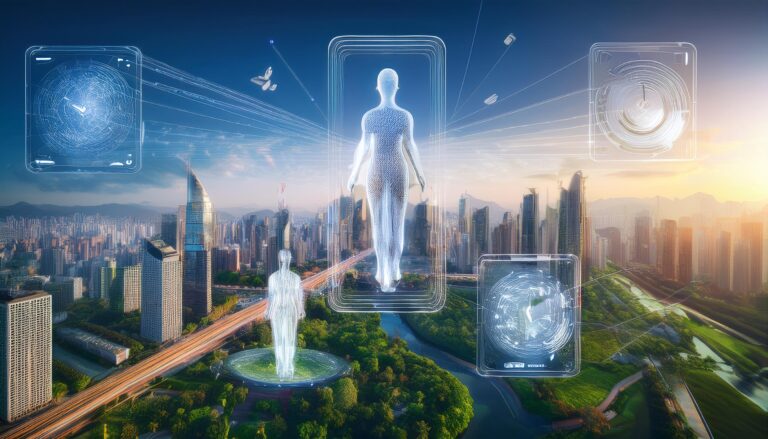
Time management has always been a cornerstone of productivity, but as we march into the future, its significance is only set to grow. With technology evolving at a breakneck speed and the ever-changing dynamics of the workplace, the way we manage time is undergoing a profound transformation. In this article, we’ll delve into “The Future of Time Management: Trends and Predictions for the Next Decade,” exploring emerging trends, innovative tools, and strategies that promise to redefine how we perceive and handle time.
The importance of time management cannot be overstated. It’s the invisible thread that weaves through our daily lives, influencing everything from work efficiency to personal well-being. As we look ahead, the landscape of time management is poised for exciting changes. Whether you’re a student trying to juggle coursework, a professional aiming to strike a work-life balance, or simply someone keen on maximizing your potential, understanding these trends is crucial.
In this in-depth exploration, we’ll cover various facets of time management, offering insights based on both research and personal experiences. From the rise of artificial intelligence in scheduling to the growing emphasis on mental well-being, we’ll examine how these trends are shaping the future. So, without further ado, let’s dive into the fascinating world of time management and discover what the future holds.
The Future of Time Management: Trends and Predictions for the Next Decade

The future of time management is not just about doing more in less time; it’s about doing better. As we stand on the brink of a new era, several trends are emerging that promise to redefine how we manage our time. These trends are fueled by technological advancements, shifting societal norms, and a deeper understanding of human psychology. Let’s explore some of the most exciting trends and predictions for the next decade.
The Rise of AI and Automation
Artificial Intelligence (AI) and automation are set to revolutionize time management. With AI, tasks like scheduling, prioritizing, and even decision-making can be automated, freeing up precious time for more strategic activities. Imagine having a virtual assistant that learns your habits, anticipates your needs, and optimizes your schedule accordingly. This is not science fiction; it’s the future of time management.
AI-powered tools can analyze your work patterns, suggest optimal work periods, and even remind you to take breaks to prevent burnout. These tools can integrate seamlessly with your digital calendar, ensuring that you never miss a meeting or deadline. The predictive capabilities of AI can also help in forecasting busy periods, allowing for better planning and resource allocation.
However, the rise of AI also brings challenges. There are concerns about privacy and data security, as well as the fear of becoming overly reliant on technology. It’s crucial to strike a balance, leveraging AI to enhance productivity while maintaining control over our schedules.
Remote Work and Flexible Schedules

The COVID-19 pandemic has accelerated the shift towards remote work, and this trend is here to stay. As organizations embrace flexible work arrangements, time management is taking on new dimensions. Employees are no longer bound by the traditional 9-to-5 schedule, and this flexibility requires a different approach to managing time.
Remote work offers the freedom to design a schedule that suits individual needs, leading to improved work-life balance. However, it also demands discipline and effective time management skills. Without the structure of an office environment, it’s easy to fall into the trap of overworking or procrastinating.
In the future, we can expect more sophisticated tools and strategies that cater to remote work settings. These may include virtual collaboration platforms, time-tracking software, and AI-driven productivity insights. The challenge will be to ensure that these tools enhance, rather than hinder, our ability to manage time effectively.
Emphasis on Mental Well-being
As the conversation around mental health gains momentum, its impact on time management is becoming more apparent. The future of time management will increasingly focus on mental well-being, recognizing that productivity is closely linked to mental health.
Burnout and stress are significant barriers to effective time management. In response, organizations are adopting strategies that prioritize employee well-being. This includes flexible schedules, mental health days, and wellness programs. By fostering a supportive environment, employees are more likely to manage their time effectively, leading to higher productivity and job satisfaction.
In the coming decade, we can expect to see a greater emphasis on holistic time management. This approach considers not only tasks and deadlines but also personal well-being. Techniques like mindfulness, meditation, and digital detoxes will become integral to managing time in a way that promotes overall health and happiness.
Personalized Time Management Solutions
One-size-fits-all solutions are becoming a thing of the past. The future of time management lies in personalization. With advancements in technology, it’s now possible to tailor time management strategies to individual preferences and needs.
Personalized time management solutions take into account factors like work style, energy levels, and personal goals. For instance, some people are more productive in the morning, while others find their peak performance in the afternoon. By understanding and harnessing these patterns, individuals can optimize their schedules for maximum efficiency.
Technology will play a crucial role in this personalization. Apps and platforms that offer personalized insights and recommendations based on data analytics will become more prevalent. These tools will empower individuals to take control of their time, leading to a more balanced and fulfilling life.
The Future of Time Management: Trends and Predictions for the Next Decade
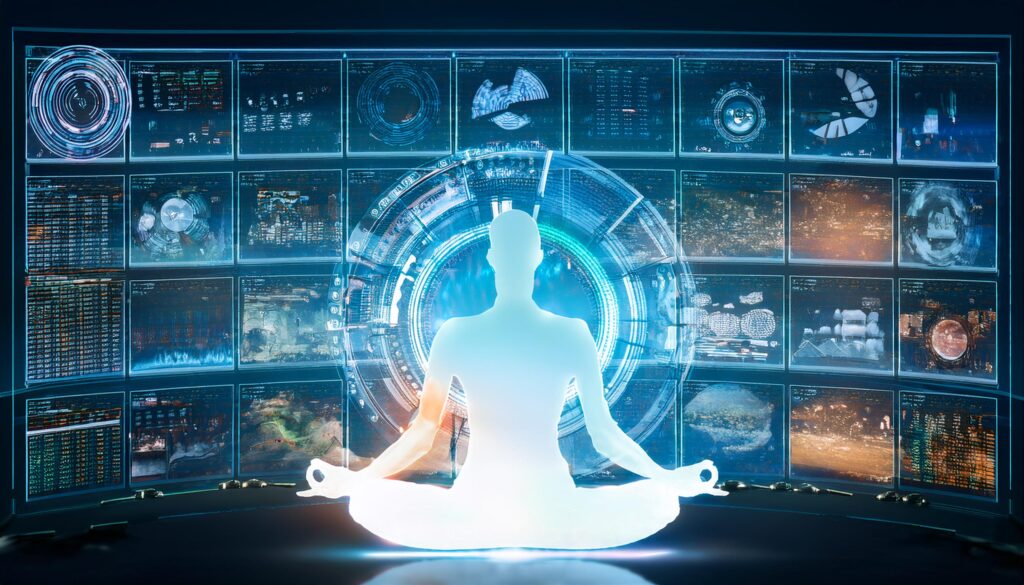
As we look to the future, it’s clear that time management is set to undergo significant transformations. The trends and predictions we’ve explored highlight the exciting possibilities that lie ahead. From AI-driven automation to personalized solutions, the future promises to make time management more effective and empowering.
One of the key takeaways is the need for adaptability. The world is changing rapidly, and our approach to time management must evolve with it. By embracing new technologies and strategies, we can navigate the complexities of modern life with greater ease and efficiency.
Moreover, the emphasis on mental well-being underscores the importance of a holistic approach to time management. It’s not just about getting more done; it’s about doing what’s meaningful and sustainable. As we embrace these trends, we have the opportunity to redefine our relationship with time, paving the way for a more productive and fulfilling future.
The next decade holds immense potential for those willing to adapt and innovate. By staying informed and proactive, we can harness the power of these trends to transform our lives and achieve our goals. So, let’s embrace the future of time management with optimism and enthusiasm, confident in the knowledge that the best is yet to come.
FAQs
How will AI impact time management in the future?
AI will revolutionize time management by automating routine tasks, optimizing schedules, and providing predictive insights. It will free up time for strategic activities while ensuring efficiency.
What are the benefits of remote work for time management?
Remote work offers flexibility, allowing individuals to design schedules that suit their needs. It can improve work-life balance but requires effective time management skills to avoid overworking or procrastination.
Why is mental well-being important in time management?
Mental well-being is crucial because it’s linked to productivity. Stress and burnout hinder effective time management. Prioritizing mental health leads to better focus, efficiency, and overall satisfaction.
What role will personalization play in future time management?
Personalization will allow individuals to tailor time management strategies to their preferences and needs. Technology will enable personalized insights and recommendations, optimizing productivity.
How can we prepare for the future of time management?
Embrace new technologies and strategies, prioritize mental well-being, and stay adaptable to change. By doing so, we can navigate the complexities of modern life with greater efficiency.
Conclusion
The future of time management is bright, offering exciting possibilities for personal and professional growth. By understanding and embracing emerging trends, we can transform the way we manage time, leading to a more productive and fulfilling life. As we navigate the complexities of the modern world, let’s seize the opportunities that li