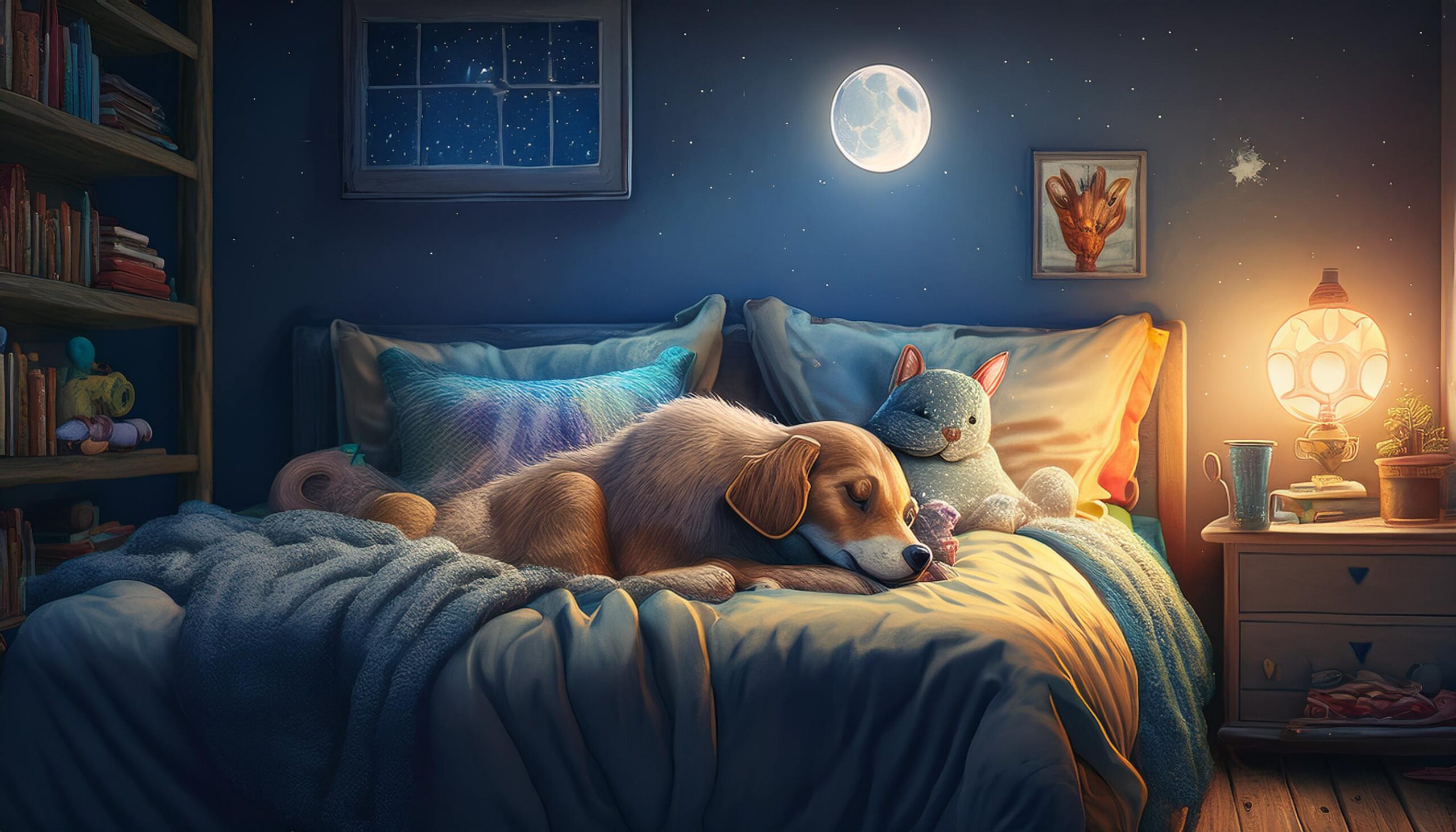
Sleep is like a magical elixir that rejuvenates our bodies and minds. Without it, we become cranky zombies, dragging ourselves through the day. But did you know that sleep is just as crucial for your pet? In this in-depth guide, we’ll explore the fascinating role of sleep for you and your pet, offering valuable tips for a restful household. Whether you’re a night owl or an early bird, or if your furry friend prefers afternoon naps, understanding the dynamics of sleep can make all the difference in your daily life. So grab a comfy chair and a warm cup of tea, and let’s dive into the world of sleep and how it impacts you and your beloved pet!
The Role of Sleep for You and Your Pet: Tips for a Restful Household

Sleep is often underestimated, yet it plays a pivotal role in maintaining our overall well-being. For humans, it’s the time when our bodies repair themselves, our brains process information, and our emotions are balanced. Similarly, pets rely on sleep to maintain their health and happiness. A well-rested pet is a happy pet, and a happy pet contributes to a thriving household. But how exactly does sleep affect you and your pet, and what can you do to ensure a peaceful slumber for everyone involved?
Firstly, let’s consider the role of sleep in human health. Sleep is vital for cognitive function. It improves our memory, aids in learning, and supports emotional stability. A lack of sleep can lead to irritability, impaired judgment, and increased stress levels. These effects can ripple through our homes, impacting our relationships and productivity. For pets, especially dogs and cats, sleep supports growth, energy conservation, and immune function. An overtired pet may become anxious or exhibit behavioral issues, which can disrupt the household harmony.
To foster a restful environment, it’s important to establish a bedtime routine for both you and your pet. Just like humans, pets thrive on routine. Setting a consistent bedtime can help regulate your pet’s internal clock, making it easier for them to wind down at night. Consider incorporating calming activities before bed, such as gentle petting, a short walk, or quiet time with a favorite toy. For yourself, winding down with a book or a warm bath can signal to your brain that it’s time to sleep.
Creating a comfortable sleep environment is equally important. For your pet, this might mean investing in a cozy bed or a designated sleeping area. Keep their space free of distractions and noise. For yourself, ensure your bedroom is a sanctuary for rest. Keep it cool, dark, and quiet, and consider investing in quality bedding and blackout curtains.
Additionally, be mindful of your pet’s natural sleep patterns. Dogs, for instance, are polyphasic sleepers, meaning they sleep multiple times throughout the day. Cats, on the other hand, are crepuscular, meaning they are most active during dawn and dusk. Understanding these patterns can help you adjust your schedule to minimize disturbances.
In conclusion, sleep is a fundamental component of a healthy and harmonious household. By recognizing the role of sleep for you and your pet, and implementing these tips, you can ensure that both you and your furry friend enjoy the benefits of restorative rest. A well-rested household is not just a dream, but a reality within reach.
Understanding Sleep Cycles

Sleep cycles are an integral part of our lives, dictating how well-rested we feel upon waking. Each cycle consists of different stages, including light sleep, deep sleep, and REM (Rapid Eye Movement) sleep. For humans, a complete cycle takes about 90 minutes, and adults typically go through four to six cycles per night. Understanding these cycles is crucial as they influence our overall sleep quality and subsequently, our daily functioning.
In the initial stages of sleep, we experience light sleep, which serves as a transition between wakefulness and deeper sleep stages. It is during this phase that our bodies begin to relax, our heart rates slow, and our body temperatures drop. This stage is crucial for physical restoration, allowing muscles to repair and grow.
As we progress to deep sleep, our bodies enter a state of profound rest. This stage is vital for tissue growth and repair, immune function, and energy restoration. It’s also the time when our brains process and consolidate memories, making it essential for learning and cognitive function.
Finally, REM sleep is the stage where most dreaming occurs. During this phase, our brains are highly active, and our eyes move rapidly underneath our eyelids. REM sleep is crucial for emotional regulation and creativity. Lack of REM sleep can lead to mood disturbances and impaired cognitive function.
Pets also experience sleep cycles, albeit shorter ones. For example, dogs have sleep cycles that last about 20 minutes, with an equal distribution of light, deep, and REM sleep. Cats, being the sleep champions they are, spend about two-thirds of their lives asleep, cycling through similar stages.
Understanding these sleep cycles can help you optimize your and your pet’s sleep environment and schedule. By aligning your sleep schedule with natural sleep cycles, you can improve sleep quality and wake up feeling refreshed. Similarly, by recognizing your pet’s sleep patterns, you can create a more harmonious household and ensure they get the rest they need.
Tips for a Restful Night
Achieving a restful night’s sleep can sometimes feel elusive, but with a few adjustments, it’s entirely possible. Here are some practical tips to help both you and your pet enjoy a peaceful night:
- Establish a Routine: Consistency is key when it comes to sleep. Try to go to bed and wake up at the same time every day, even on weekends. This helps regulate your body’s internal clock and can improve sleep quality. The same goes for your pet; a consistent schedule can help them feel secure and settled.
- Create a Calming Environment: Ensure your bedroom is conducive to sleep by keeping it cool, dark, and quiet. Consider using blackout curtains, earplugs, or a white noise machine to block out disturbances. For your pet, provide a comfortable bed and a designated sleeping area away from noise and distractions.
- Limit Screen Time: The blue light emitted by screens can interfere with your body’s natural sleep-wake cycle. Try to avoid screens at least an hour before bed. Encourage quiet activities, like reading or listening to calming music, to help you unwind.
- Mind Your Diet: What you eat and drink can affect your sleep. Avoid large meals, caffeine, and alcohol close to bedtime. If your pet is sensitive to certain foods, adjust their diet accordingly to prevent nighttime discomfort.
- Exercise Regularly: Regular physical activity can help you fall asleep faster and enjoy deeper sleep. Just be sure not to exercise too close to bedtime, as this can have the opposite effect. For your pet, ensure they get plenty of exercise during the day to help them burn off excess energy.
- Manage Stress: Stress and anxiety can wreak havoc on your sleep. Practice relaxation techniques, such as deep breathing, meditation, or yoga, to calm your mind before bed. Pets can also experience stress, so provide them with plenty of love and attention to help them feel secure.
By incorporating these tips into your daily routine, you can create a peaceful environment conducive to restful sleep. Remember, the goal is to make sleep a priority for both you and your pet, ensuring that everyone wakes up refreshed and ready to face the day.
Creating a Pet-Friendly Sleep Environment
Our pets are part of the family, and just like us, they need a comfortable, safe space to sleep. Creating a pet-friendly sleep environment is essential for their health and happiness. Here are some tips to ensure your furry friend has a cozy place to rest:
- Choose the Right Bed: Pets, like humans, have different preferences when it comes to sleeping surfaces. Some may prefer a soft, plush bed, while others might enjoy a firmer mattress. Consider your pet’s size, age, and health needs when choosing a bed. Older pets, for instance, may benefit from orthopedic beds that provide extra support for their joints.
- Designate a Sleeping Area: Give your pet their own space where they can retreat and relax. This could be a quiet corner of a room, a designated area in your bedroom, or even a cozy crate. Ensure the space is free from drafts and loud noises, providing a sense of security and comfort.
- Maintain a Clean Space: Regularly clean your pet’s sleeping area to remove dirt, hair, and allergens. Wash their bedding frequently to prevent odors and keep the area fresh. A clean sleep environment contributes to better health and more restful sleep for your pet.
- Consider Temperature and Lighting: Make sure the sleeping area is at a comfortable temperature for your pet. Some pets may prefer a warmer environment, while others might enjoy a cooler space. Additionally, consider the lighting in the room. Many pets appreciate a dimly lit area, which signals to them that it’s time to wind down.
- Provide Comfort Items: Some pets find comfort in having familiar items nearby, such as a favorite toy or blanket. These items can provide a sense of security and help your pet feel more at ease in their sleeping area.
- Minimize Distractions: Keep the sleeping area free from potential disturbances, such as loud noises or bright lights. If your pet is easily startled, consider using a white noise machine to mask sudden sounds.
By taking the time to create a pet-friendly sleep environment, you’ll not only improve your pet’s quality of sleep but also contribute to their overall well-being. A well-rested pet is a happy pet, and a happy pet makes for a harmonious household.
The Impact of Sleep on Behavior

Sleep has a profound impact on behavior, both in humans and animals. When we don’t get enough quality sleep, it can lead to irritability, mood swings, and difficulty concentrating. Similarly, lack of sleep can affect our pets’ behavior, leading to increased anxiety, hyperactivity, or even aggression. Understanding the link between sleep and behavior can help us address and prevent potential issues.
For humans, sleep deprivation can have serious consequences. It affects our ability to regulate emotions, making us more prone to stress and frustration. It can also impair cognitive function, leading to poor decision-making and decreased productivity. Over time, chronic sleep deprivation can contribute to mental health issues, such as depression and anxiety.
Pets, too, can experience behavioral changes when they don’t get enough rest. Dogs, for example, may become more anxious or display destructive behaviors if they’re not well-rested. Cats may become more irritable or aggressive. These changes can create tension in the household and strain the bond between pets and their owners.
To mitigate these effects, it’s important to prioritize sleep for both you and your pet. Establishing a consistent sleep routine, creating a comfortable sleep environment, and addressing any underlying health issues can help improve sleep quality and, in turn, behavior.
In addition, pay attention to any changes in your pet’s behavior that may indicate a sleep issue. If your pet is suddenly more restless or agitated, it may be a sign that they’re not getting enough rest. Consult with a veterinarian if you’re concerned about your pet’s sleep patterns or behavior.
By fostering healthy sleep habits, you can improve behavior and strengthen the bond between you and your pet. A well-rested household is a happier, more harmonious one, where both humans and animals can thrive.
Frequently Asked Questions
How many hours of sleep do pets need?
The amount of sleep pets need varies depending on their species, age, and activity level. Dogs typically require 12-14 hours of sleep per day, while cats may sleep up to 16 hours or more. Puppies and kittens, as well as older pets, may need even more rest.
Is it normal for pets to sleep so much?
Yes, it’s perfectly normal for pets to sleep a lot. Unlike humans, pets have different sleep patterns and may take multiple naps throughout the day. As long as your pet is active and healthy when awake, there’s usually no cause for concern.
Can pets suffer from insomnia?
Just like humans, pets can experience sleep disturbances or insomnia. This may be due to stress, anxiety, pain, or an uncomfortable sleeping environment. If you notice changes in your pet’s sleep patterns or behavior, consult with a veterinarian.
Should I let my pet sleep in my bed?
Whether or not to let your pet sleep in your bed is a personal decision. Some people find comfort in sharing their bed with their pet, while others prefer to keep their sleeping spaces separate. Consider your own sleep quality and comfort, as well as your pet’s needs, when making this decision.
What if my pet snores?
Snoring in pets can be normal, especially in certain breeds that are prone to respiratory issues. However, if your pet’s snoring is loud or accompanied by other symptoms, such as coughing or difficulty breathing, consult with a veterinarian to rule out any underlying health concerns.
Conclusion
In conclusion, the role of sleep for you and your pet is a crucial aspect of maintaining a healthy, harmonious household. By prioritizing sleep, understanding sleep cycles, and creating a comfortable sleep environment, you can improve the quality of rest for both you and your furry friend. Remember, a well-rested household is a thriving household, where both humans and pets can enjoy the benefits of restorative sleep. So, embrace the power of sleep and create a peaceful, restful environment for you and your pet to enjoy.